
Can You Improve the Perfect Travel Loafer? I tried resoling my Raum loafers
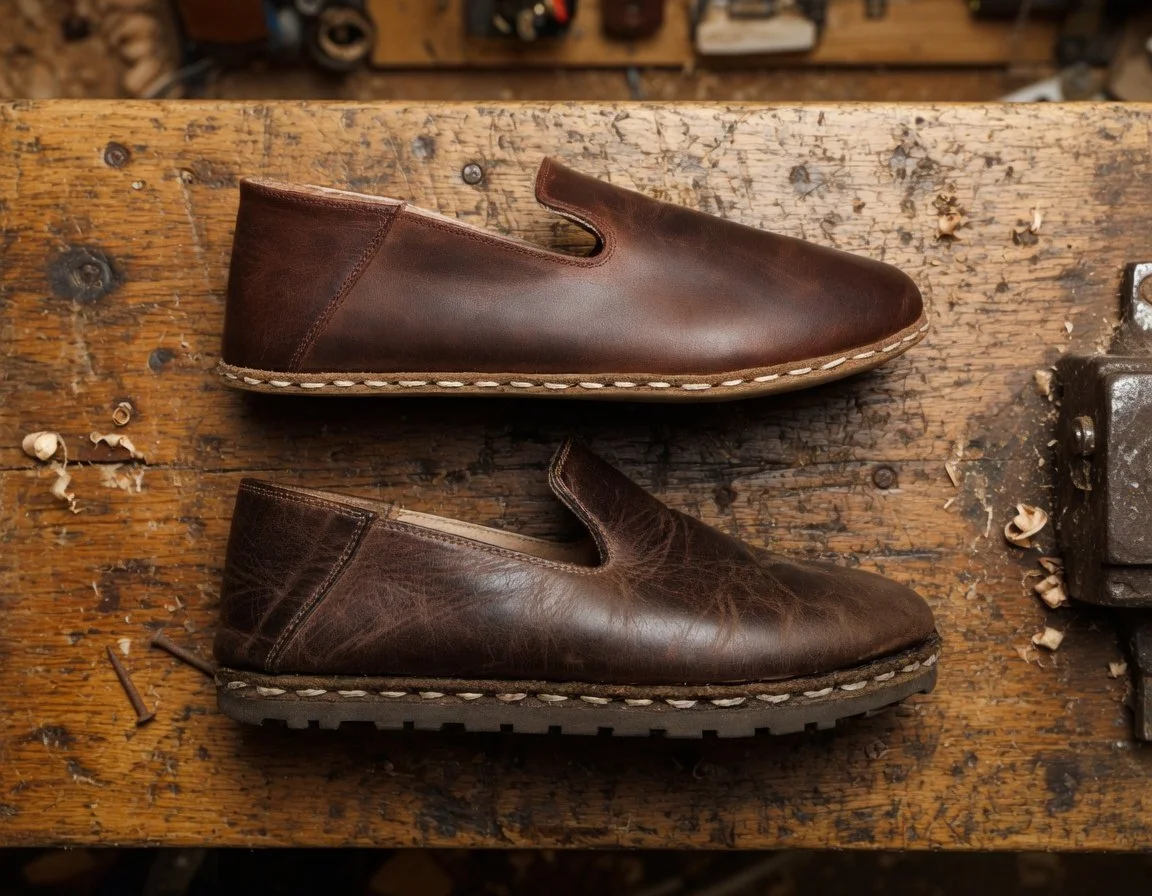
I Tried to Fix the Perfect Travel Loafer (It Didn’t Go as Planned)
Disclosure: Some links in this post are affiliate links. If you make a purchase through them, I may earn a small commission at no additional cost to you. This helps support Tropic Dial and offset some of the cost of testing and reviewing gear. As an Amazon Associate I earn from qualifying purchases. All opinions are my own and are never influenced by commissions.
There’s a reason Raum loafers keep showing up on guys like Tucker Carlson (the Tucker Carlson world travel uniform). They hit a rare sweet spot.
They look sharp enough to wear with a blazer.
They work just as well with casual shorts.
They pack down small.
And once broken in, they feel more like slippers than shoes.
I’ve been wearing mine for a while now, and the leather is outstanding. Thick, soft, and it molds to your foot in a way that makes you forget you’re wearing anything at all.
But there’s one problem.
The flaw: leather soles in the real world
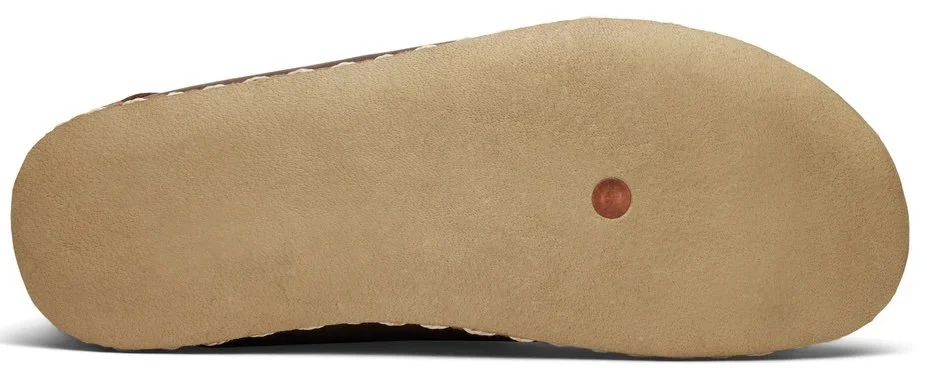
The Raums come with a traditional leather sole. It looks great. It feels great.
It does not perform great.
Zero traction on slick surfaces
Absorbs water in rain or puddles
Slightly sketchy on anything damp
If you’re walking around a dry city, no issue. But the moment weather or terrain gets involved, you start thinking twice.
And that’s where this experiment started.
The idea: make the perfect shoe even better
My thought was simple:
What if I could keep everything great about the Raums…
…but swap in a sole that actually performs?
I didn’t want a thick, clunky rubber sole. That would ruin the whole point.
So I went looking for something:
Thin
Flexible
Zero drop
Minimal but functional
Coincidentally, I had just recently purchased a pair of the Jim Green Barefoot African Ranger boots. These boots are manufactured in South Africa, originally for African Game Rangers. Interestingly, they have a very unique outsole.
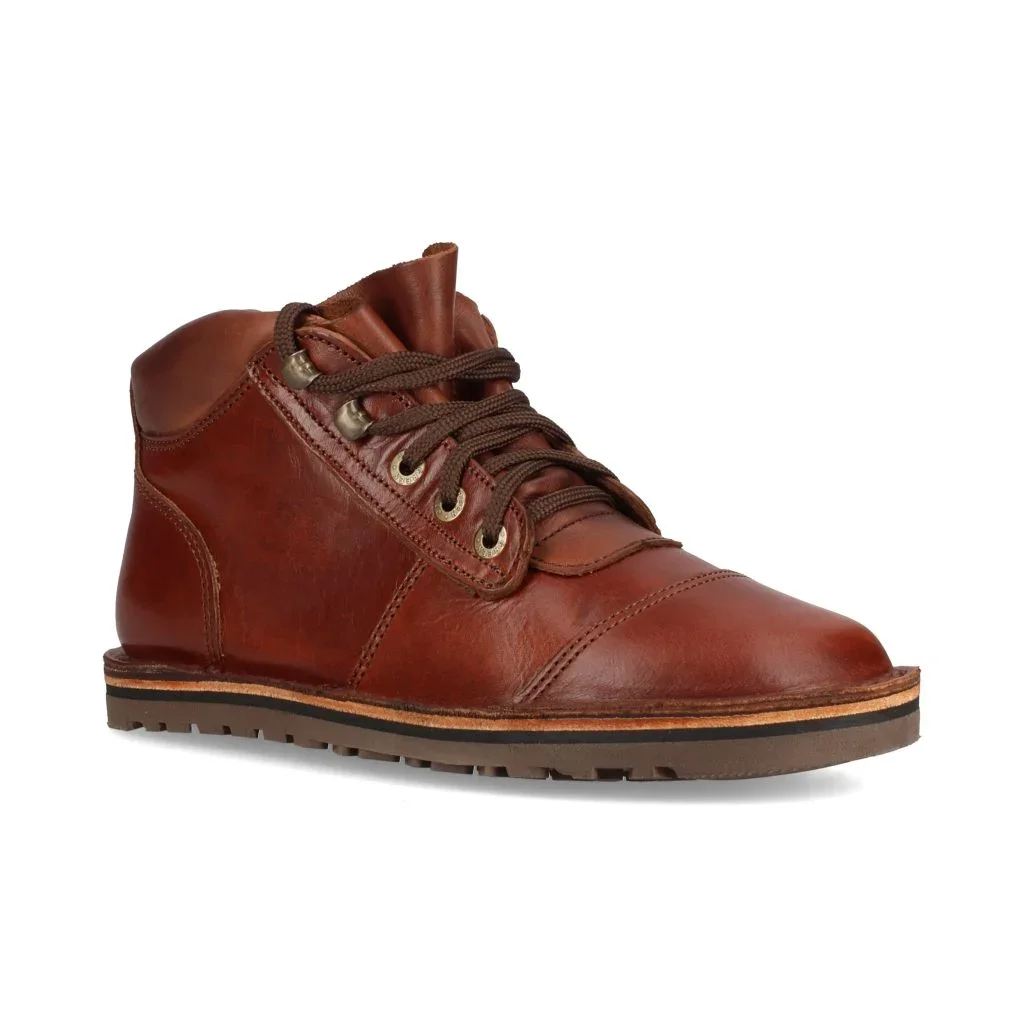
The solution (on paper)
The Jim Green boots use a proprietary barefoot-style sole that checked every box:
Thin and flexible
No heel drop
Grippy
Built for real-world conditions
Even better, Jim Green sells the soles separately for resoling.
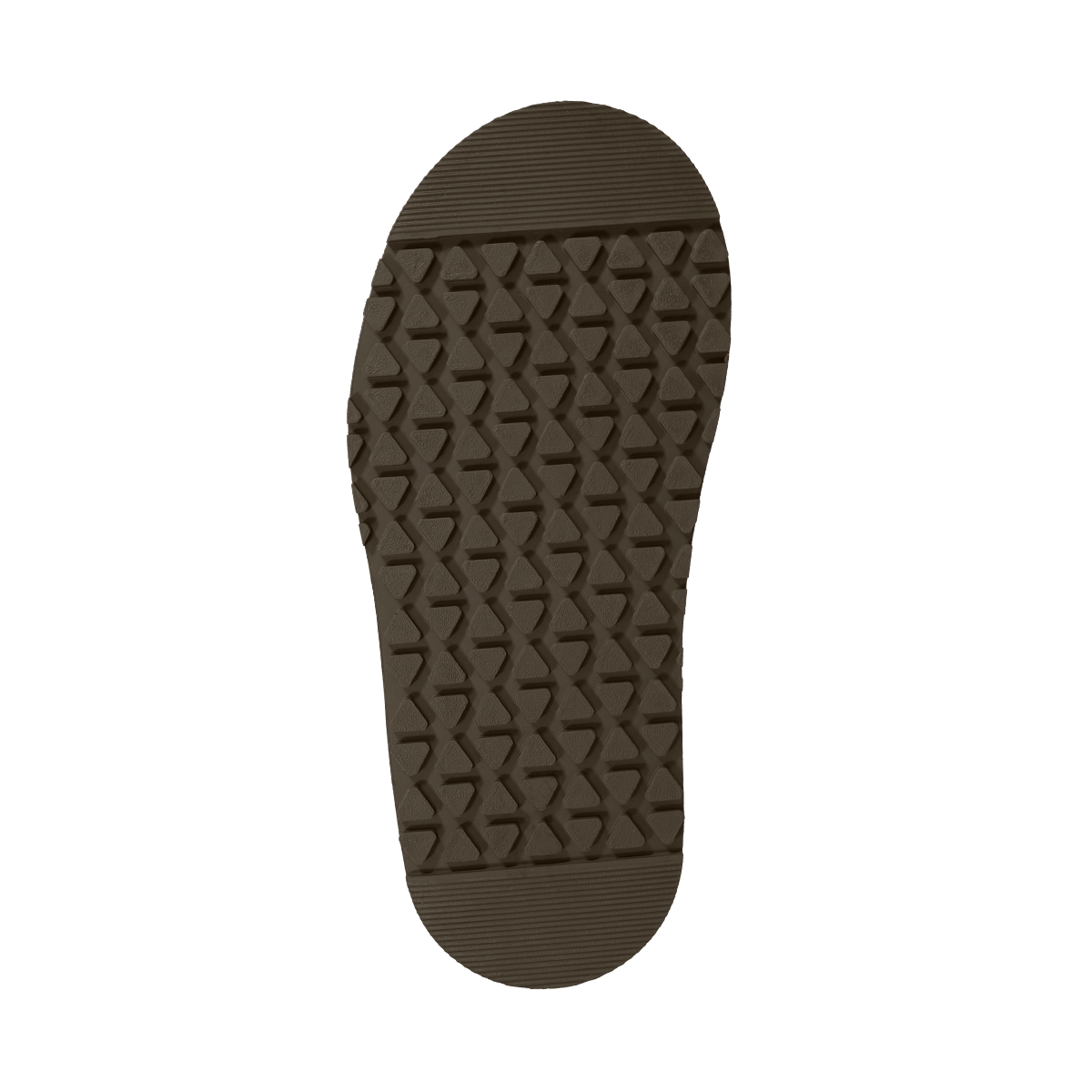
So I bought a pair for about $25.
Then I took my Raum loafers and the Jim Green barefoot soles to a local cobbler and asked a simple question:
“Can you glue these on?”
They said yes.
Total cost: about $100 for the work.
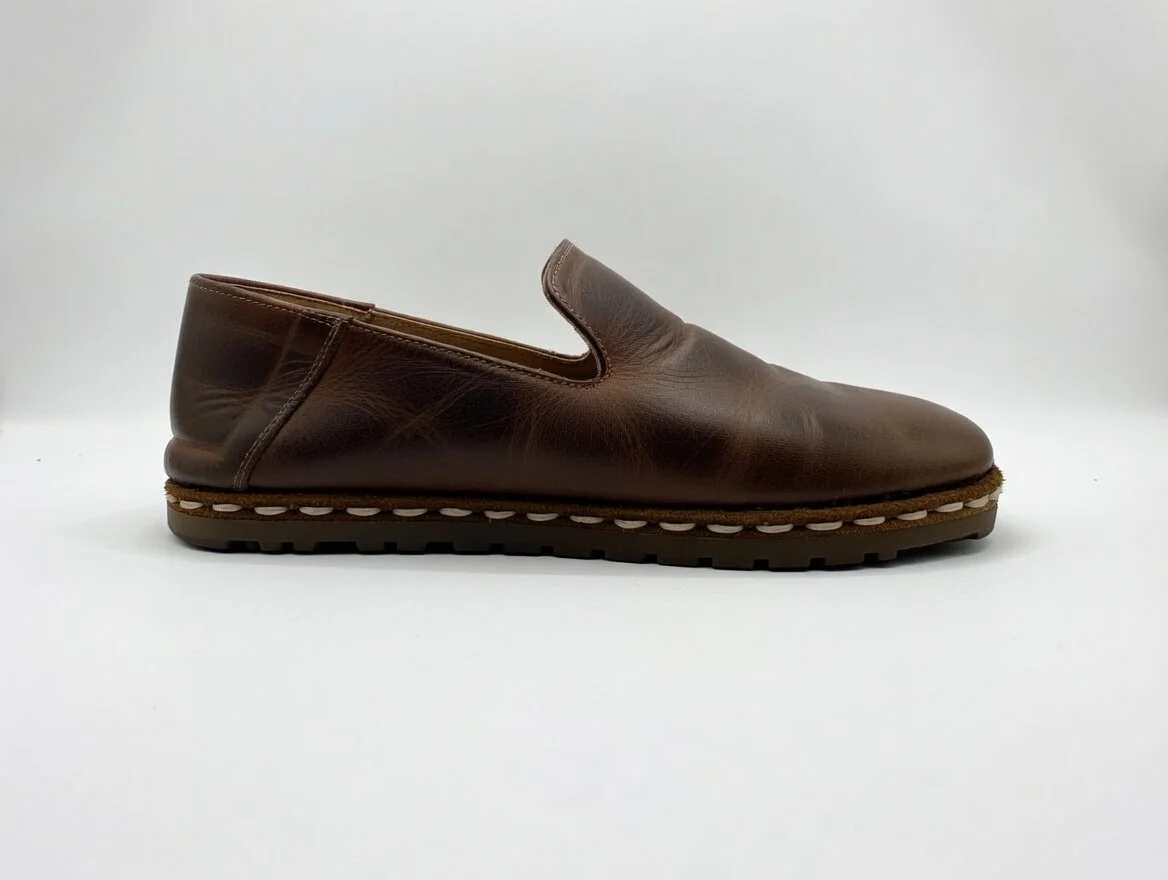
What I expected
I thought I had cracked the code.
Same comfort
Same aesthetic
Improved traction
No more waterlogged leather soles in bad weather.
Basically: the perfect travel loafer.
What actually happened
It worked.
And it didn’t.
What I didn’t fully appreciate going in is that soles aren’t just about thickness. They’re about material. The Jim Green sole is real rubber designed for grip and durability, and that comes with trade-offs. More density means more weight. More structure means less flexibility. I didn’t just change the sole. I changed how the entire shoe behaves.
The good
Traction is dramatically better
No issues in rain or puddles
More confidence walking on slick surfaces
From a pure performance standpoint, the modification did exactly what I wanted.
The not-so-good
This is where things got interesting.
1. Weight doubled
The new soles are thin, but dense. The shoes feel noticeably heavier.
2. Flexibility decreased
The original slipper-like feel is gone. They’re stiffer now.
3. Internal comfort got worse
There’s stitching inside the shoe that used to “give” downward.
Now it’s pushed upward into the foot.
You feel it.
4. Packability took a hit
They no longer compress the same way. That matters for one-bag travel. I used to wear running shoes and throw these in my bag to use for dressier occasions or for the pool and beach where shoes that easily slip off are a bonus.
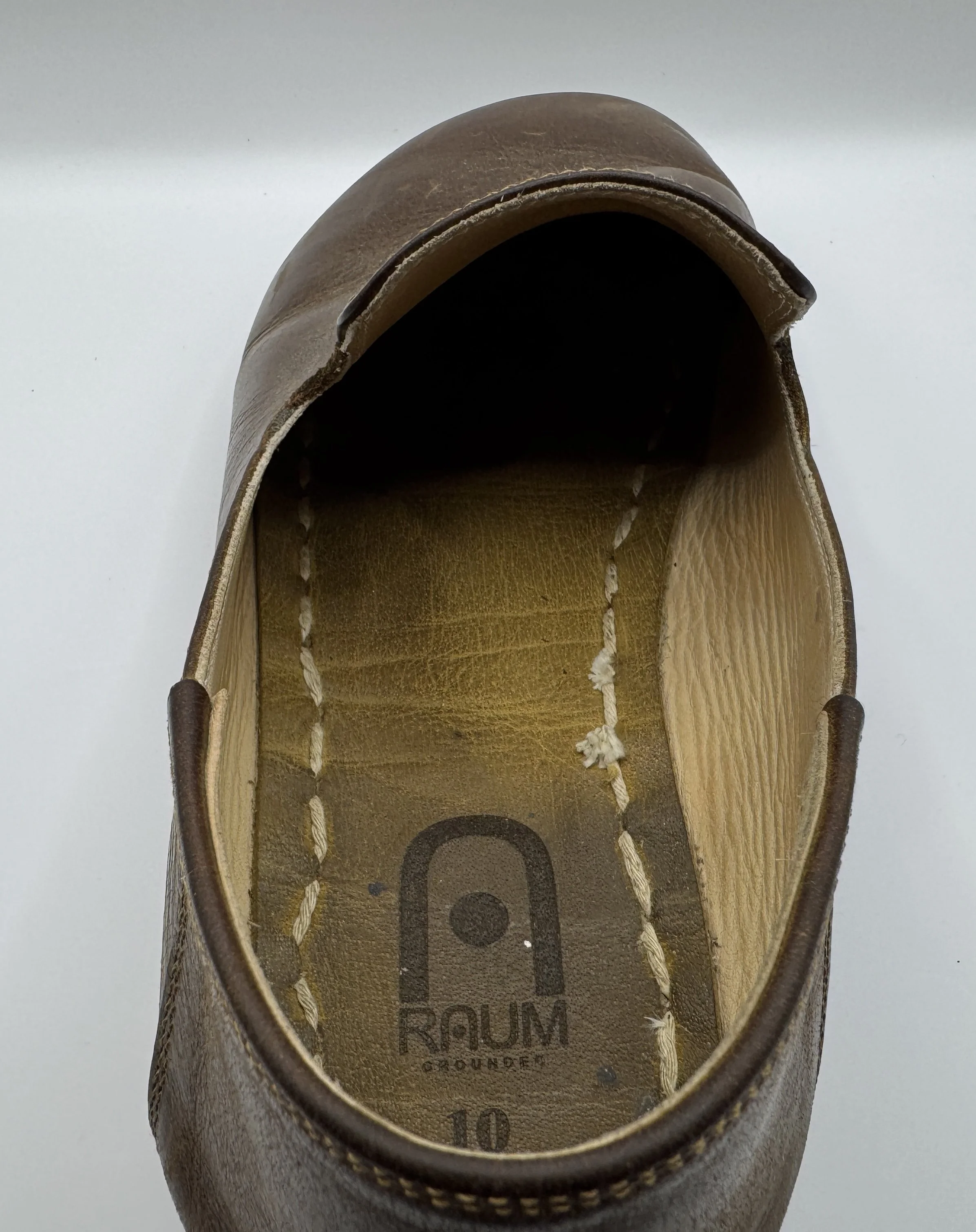
The internal stitching, which I never noticed before the resole, now feels pronounced underfoot.
Where I’m at now: jury’s still out
I’ve only had them back from the cobbler for a couple weeks.
Right now, they feel like they’ve reset to day one.
Like I’m breaking them in all over again.
And that’s the open question:
Will they soften up and improve over time?
Or did I take something that was already dialed… and make it worse?
What I’d do differently
If I bought another pair of Raums tomorrow, I would not do this again.
At least not this way.
The trade-offs were bigger than expected.
The bigger takeaway: customize… but understand the risk
This wasn’t a failure. It was an experiment.
And I still think there’s value in that.
For about $130 total, I was able to completely change how a shoe performs. That’s powerful.
But here’s the reality:
Gear is designed as a system
When you change one variable, you change everything
Improvements in one area often create problems in another
Final thought
The original Raum loafers are still excellent, and I will likely buy another pair (which I will not alter).
Raum got almost everything right out of the box, which is why I tried to push them further and learned that minimalist shoes are a system, and when you change the sole, you change everything.
Right now, I’m not convinced I made them better. But I learned exactly where the limits are. And that’s the point.
If your priority is comfort and packability, leave them stock. If your priority is traction, this modification might be worth experimenting with.
But I’ll keep wearing them, let them break in, and report back.
Because that’s the whole point of Tropic Dial:
Try things.
Modify gear to make it work for you.
And report back on the results.
If you want to try either path:

A practical guide to men’s summer moccasins, including camp mocs, boat shoes, blucher mocs, driving mocs, and loafers — how to tell them apart and which one to buy first.